How to Transition Your Cleaning Routine to Sustainable Products
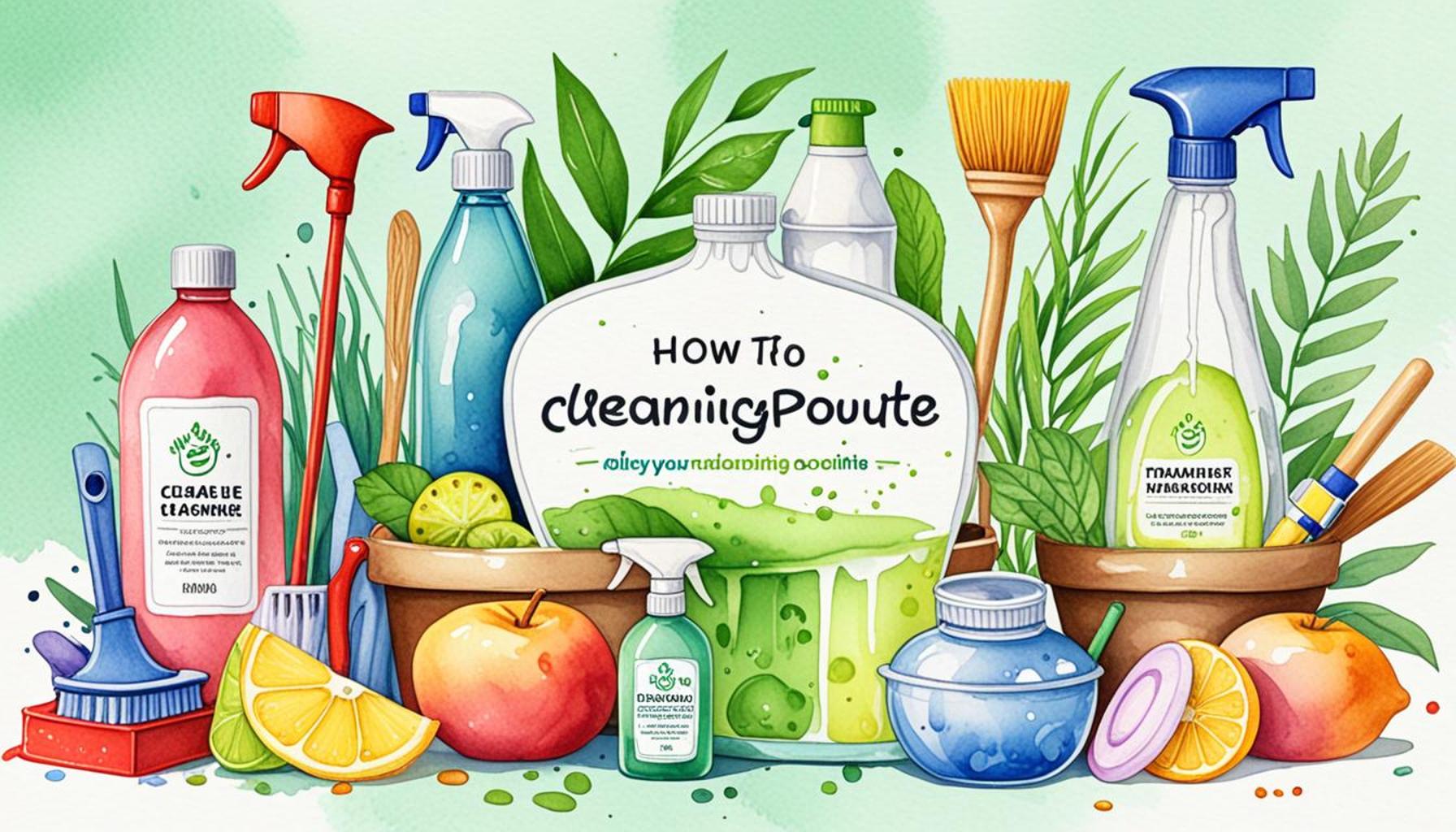
Understanding Sustainable Cleaning Products
As environmental issues become increasingly urgent, the need for eco-conscious living extends into every facet of our lives, including household cleaning. Transitioning to sustainable cleaning products serves not only to protect our planet but also to maintain a healthy home environment. The overwhelming array of choices available today may seem daunting, but making informed decisions can simplify the process and make it more accessible for everyone.
Health Benefits
Using sustainable cleaning products can significantly enhance your home’s air quality and overall safety. Traditional cleaners often contain harmful chemicals such as ammonia, phthalates, and triclosan, which can lead to various health issues including respiratory problems and skin irritations. On the other hand, eco-friendly alternatives are typically formulated with fewer toxins. For instance, ingredients like plant extracts and essential oils not only provide a cleaner, safer environment but can also have therapeutic effects, improving mood and reducing anxiety. People with sensitivities or allergies may especially appreciate the gentler nature of these products.
Environmental Impact
The repercussions of chemical cleaning products extend far beyond our homes. When washed down the drain, many of these substances can contaminate water supplies, adversely affecting not just aquatic life but also the ecosystems around them. Sustainable cleaning products significantly reduce this harmful runoff. By opting for these green alternatives, informed consumers can play a crucial role in preserving biodiversity and maintaining a cleaner, healthier environment for future generations. For instance, products made with biodegradable ingredients break down more easily, lessening their environmental footprint.
Economic Advantages
Embracing sustainable cleaning methods can also yield surprising economic benefits. Many eco-friendly cleaners are available at competitive prices, but the cost savings increase dramatically when considering homemade solutions. Simple ingredients like vinegar, baking soda, and lemon juice can create highly effective cleaners at a fraction of the price of commercial equivalents. For example, a mixture of vinegar and water makes an excellent glass cleaner that not only eliminates grime but does so without plastic packaging or harsh chemicals.
Available Options for Eco-Friendly Cleaning
Transitioning to sustainable cleaning doesn’t mean sacrificing effectiveness. There’s a diverse range of products and DIY options to explore:
- Vinegar and Baking Soda: These time-tested staples are fantastic for removing stains, deodorizing, and even unclogging drains when combined.
- Citrus-Based Cleaners: Derived from oranges or lemons, these cleaners are not only fragrant and refreshing but also possess natural antimicrobial properties, making them ideal for kitchen and bathroom surfaces.
- Biodegradable Products: Brands like Seventh Generation or Method offer a variety of cleaning supplies that come in biodegradable packaging, helping reduce plastic waste.
As you move forward in your journey towards greener cleaning, remember that every small step counts. By swapping out traditional cleaners for sustainable options, you can greatly reduce your exposure to harmful substances while simultaneously making a positive contribution to the environment. The impact may be subtle at first, but collectively, these changes can lead to a healthier planet and a more sustainable future.
DISCOVER MORE: Click here for tips on organizing your cleaning schedule
Steps to Transitioning Your Cleaning Routine
Making the switch to sustainable cleaning products is an empowering journey, marking a commitment to both personal health and environmental stewardship. The process can be straightforward and rewarding; however, it does require some thoughtful planning and a willingness to explore alternatives. Here are some essential steps to guide your transition:
Start Small
Transitioning your cleaning routine may feel overwhelming, but starting with just a few products can make the shift more manageable. Focus on high-usage items that you rely on regularly, such as all-purpose cleaners, dish soap, and laundry detergent. For instance, you might consider replacing your conventional all-purpose cleaner with one that is made from plant-derived ingredients. This approach allows you to gradually adjust and assess the effectiveness of each new product before fully committing to a complete overhaul of your cleaning arsenal.
Research and Read Labels
Not all products marketed as “green” are created equal. It’s crucial to develop a habit of reading labels and researching the products you are considering. Look for certifications from recognized organizations, such as the Environmental Protection Agency (EPA) and the Green Seal. These labels signify that the product meets strict environmental and health standards. Additionally, pay attention to the ingredient list; avoid products that contain synthetic fragrances, parabens, and phosphates—harmful chemicals that can negate the benefits of switching to a sustainable cleaner.
Explore DIY Alternatives
Another exciting aspect of transitioning to sustainable cleaning is the opportunity to create your own cleaning solutions at home. DIY cleaners can be remarkably effective, cost-efficient, and environmentally friendly. Here are some simple recipes to try:
- All-Purpose Cleaner: Mix equal parts of water and vinegar in a spray bottle. This solution is excellent for cutting through grime and disinfecting surfaces.
- Bathroom Cleaner: Combine baking soda with a few drops of dish soap and water to form a paste. This can be applied to tile and grout to tackle stubborn stains.
- Air Freshener: Fill a small jar with baking soda and a few drops of your favorite essential oil. Place it in your living spaces to naturally absorb odors and refresh the air.
Utilize Reusable Tools
While transitioning to sustainable products, it is equally important to consider the tools you use for cleaning. Replace disposable products like paper towels with reusable cloths or microfiber towels. Not only do these alternatives reduce waste, but they are often more effective at picking up dirt and grime due to their unique fibers. Additionally, choose refillable spray bottles or containers to minimize plastic waste, contributing further to environmental preservation.
As you embark on this transition, remember that your choices can directly influence your health and the planet’s well-being. By implementing small yet impactful changes, you set a foundation for a cleaner home and a more sustainable lifestyle.
| Category | Advantages |
|---|---|
| Environmentally Friendly | Reduces toxic waste and minimizes pollution in the environment. |
| Health Benefits | Decreases exposure to harmful chemicals, promoting a healthier living space. |
| Cost Savings | Long-term savings on household products and waste disposal. |
Transitioning to sustainable cleaning products not only enhances your cleaning routine but also plays a pivotal role in fostering a healthier planet. The movement toward eco-friendly products is more than just a trend; it’s a commitment to safeguarding both our environment and our health. By adopting these sustainable practices, consumers are becoming increasingly aware of the myriad of benefits associated with greener alternatives. For instance, environmentally friendly products significantly contribute to reducing toxic waste and minimizing pollution. These products are often biodegradable and made from renewable resources, which means they break down naturally without contributing to landfill issues. Not only do they help preserve the Earth’s ecosystems, but they also eliminate harmful chemicals frequently found in traditional cleaners, thereby creating a safer living environment. As a result, less exposure to harmful substances can lead to improved respiratory health and overall well-being.Moreover, sustainable cleaning options can be economically advantageous. Although the initial investment may be higher, the long-term savings achieved through reduced waste disposal costs and the frequent need to replenish conventional cleaning supplies can be substantial. Embracing this shift not only benefits you personally but also contributes to a collective effort to protect our planet. As we think critically about our choices, transitioning to sustainable products becomes not just an environmentally sound decision but a necessary step towards improving our health and well-being.
DON’T MISS: Click here for essential tips on seasonal maintenance
Embracing Eco-Friendly Practices
As you navigate the transition to sustainable cleaning products, incorporating eco-friendly practices into your routine can amplify the positive impact on both your household and the environment. The way you approach cleaning extends beyond the products you use—it encompasses your overall cleaning habits and philosophies.
Consider Water Usage
Water is one of our most precious resources, and being conscious of how much you use while cleaning can make a difference. Traditional cleaning methods often involve excessive rinsing and unnecessary water waste. Instead, strive to implement strategies that conserve water:
- Use a bucket instead of running water: When mopping floors or washing surfaces, fill a bucket with the necessary solution rather than continuously letting the tap run.
- Limit the frequency of cleanings: Establish a cleaning schedule that adheres to the needs of your home. For instance, deep clean high-traffic areas weekly while designating other spaces for less frequent attention.
Choose Bulk Purchasing Options
Bulk buying is an effective way to minimize packaging waste and save money over time. Many eco-conscious brands offer larger sizes of cleaning products that produce less single-use plastic compared to their smaller counterparts. Establishing a relationship with local co-ops or bulk supply stores can expand your sustainable options and allow you to refill smaller containers repeatedly.
Educate and Involve Your Family
Transitioning to sustainable cleaning products is a family affair. It is essential to educate your household members about the benefits of using eco-friendly products and practices. Engaging everyone in the process not only fosters a collective commitment towards sustainability but also encourages discussions about environmental health. Here are ways to enhance family involvement:
- Create a cleaning schedule: Allocate specific tasks to each family member, ensuring that everyone takes part in maintaining a clean and sustainable home.
- Host a discussion: Talk about why you’ve decided to make the change to sustainable products. Share insights into the positive effects on both health and the environment, motivating others to follow suit.
Stay Informed About Sustainable Innovations
The world of cleaning products is continuously evolving, with new sustainable innovations emerging regularly. Staying current with the latest in eco-friendly cleaning technology can help you make informed decisions. Follow relevant blogs, subscribe to eco-focused newsletters, and engage with communities focused on sustainability. From enzyme-based cleaners that tackle tough stains to biodegradable sponges, you may discover solutions previously unbeknownst to you. Additionally, consider utilizing resources like The Environmental Working Group (EWG), which evaluates cleaning products and compiles a list of the safest options available.
Ultimately, adopting sustainable cleaning products extends far beyond a simple product swap; it’s about embracing a lifestyle that prioritizes health and environmental sustainability. By refining your practices and expanding your knowledge, you can cultivate a home that reflects your commitment to eco-friendliness, creating a ripple effect that influences your community and future generations.
DISCOVER MORE: Click here to learn how to tailor your maintenance schedule
Conclusion: Embracing a Sustainable Cleaning Future
Transitioning your cleaning routine to sustainable products is not merely a trend; it reflects a growing commitment to environmental stewardship and personal health. By making informed choices and adopting eco-friendly practices, you can significantly reduce your household’s ecological footprint. Start by incorporating biodegradable and non-toxic cleaning products, which not only safeguard your health but also contribute to a cleaner planet.
As explored in this article, optimizing your water usage and choosing bulk purchasing options are just as vital as selecting the right products. These small adjustments can lead to substantial water conservation and reduction in plastic waste. Engaging your family in this journey not only enhances shared responsibility but also fosters a supportive environment for discussion and learning about sustainability.
Furthermore, staying informed about the latest innovations in the world of cleaning can keep your practices fresh and effective. The expanding market for eco-friendly alternatives means there’s no shortage of options, from plant-based cleaners to reusable cleaning tools that support a zero-waste lifestyle.
In conclusion, as you embark on this transition, remember that every step counts. Your actions not only shape the cleanliness of your home but also contribute to a broader movement towards sustainable living. By prioritizing eco-friendly practices, you become a catalyst for change, inspiring those around you to adopt similar habits. Together, we can create cleaner homes and a healthier planet for generations to come.
Related posts:
How to Make Eco-Conscious Choices When Purchasing Cleaning Supplies
The Role of Eco-Friendly Products in Reducing Household Waste
The Cost-Benefit Analysis of Switching to Eco-Friendly Cleaning Products
Emerging Trends in Eco-Friendly Cleaning Products: Innovations for a Sustainable Home
The Revolution of Eco-Friendly Cleaning Products: How to Choose Sustainable Items for Your Home
DIY Eco-Friendly Cleaning Solutions: Recipes for a Greener Home

Linda Carter is a home organization writer and cleaning efficiency specialist who helps households maintain spotless spaces with minimal effort. With extensive experience developing smart cleaning systems and preventive maintenance routines, she shares practical strategies on our platform for streamlining chores and preserving home value. Her goal is to empower homeowners with time-saving techniques and proactive care strategies to create cleaner, healthier, and more manageable living environments.