Comparing the Effectiveness of Eco-Friendly Cleaning Products and Conventional Ones
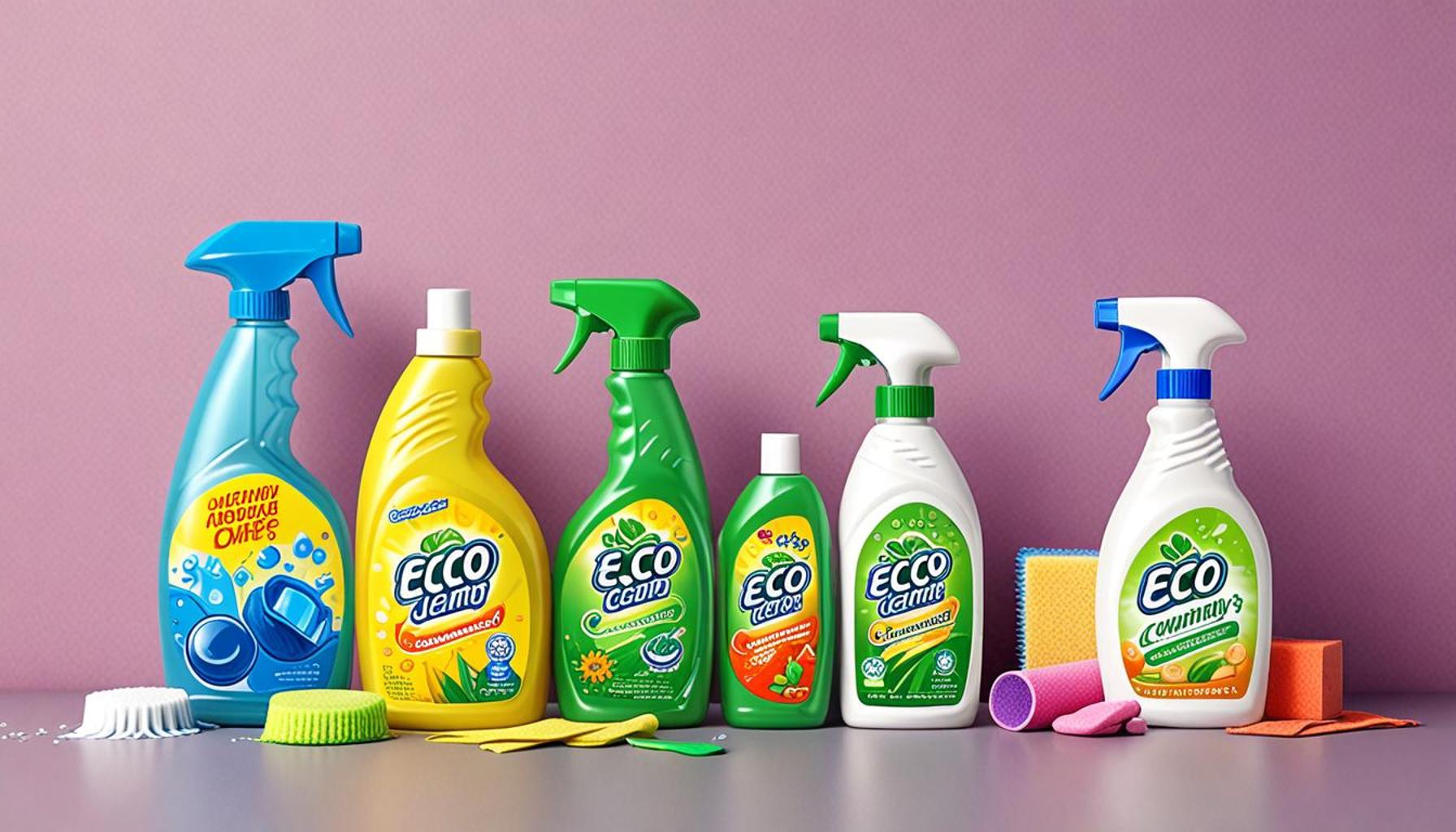
The Rising Demand for Eco-Friendly Cleaning Products
Consumer awareness regarding environmental sustainability has significantly increased over the past decade, prompting a surge in the demand for eco-friendly cleaning products. However, as individuals gravitate toward these greener alternatives, they often grapple with a pivotal question: Are they as effective as traditional cleaning products? This inquiry invites a comparative exploration of both categories, showcasing their attributes, advantages, and drawbacks.
Eco-friendly cleaning products boast several qualities that appeal to environmentally-conscious consumers. They often incorporate:
- Natural ingredients: These cleaners utilize plant-based formulations that minimize exposure to harsh chemicals, making them safer for households with children and pets.
- Biodegradability: Eco-friendly products typically break down more easily in the environment, reducing their ecological footprint and lessening pollution.
- Minimal packaging: Many brands focus on sustainability through recyclable or compostable packaging, further promoting a circular economy.
On the other hand, traditional cleaners often emphasize their potent cleaning capabilities, featuring:
- Stronger chemical agents: Conventional cleaners frequently contain powerful formulations that claim to deliver rapid and effective results in tackling stubborn stains and tough grease.
- Targeted formulas for specific stains: Many traditional products are tailored for particular cleaning tasks, such as removing mold and mildew or tackling barbecue grease, showcasing their efficacy in specialized contexts.
- Long-lasting freshness: With added fragrances, conventional cleaners often provide an immediate sensory satisfaction, which some consumers find appealing.
This dichotomy leaves many consumers in the United States wrestling with a dual consideration: the environmental ramifications of their purchases versus the immediate effectiveness promised by conventional products. In terms of effectiveness, studies have shown mixed results—while some eco-friendly cleaners perform comparably to their chemical-laden rivals, others may lag behind in terms of stain removal and disinfectant power.
To truly understand the ramifications of these choices, consumer reviews and expert opinions reveal a broader picture. Some users report high satisfaction with eco-friendly products, noting their reduced allergies and respiratory issues attributed to lower chemical exposure. Conversely, others express dissatisfaction when these products fail to meet their cleaning demands, prompting them to revert to traditional options.
As you explore the cleaning aisles, consider your preferences and priorities. Are you inclined to try that new eco-brand that promises sustainability, or do you trust the legacy cleaners that boast unparalleled performance? This article provides data and user insights to illuminate your options and help you make informed decisions regarding your household cleaning regimen. Join us as we critically assess the effectiveness of your favorite cleaning products and uncover potential alternatives that align with your eco-conscious lifestyle.
DISCOVER MORE: Click here to learn effective organization methods
Understanding the Strengths and Limitations
As we dive into the comparison of eco-friendly cleaning products and their conventional counterparts, it is important to examine their respective strengths and limitations in various cleaning scenarios. The effectiveness of cleaning agents can often boil down to their components, intended purpose, and applications in everyday cleaning tasks.
Many eco-friendly cleaners utilize natural ingredients such as vinegar, baking soda, and essential oils. These components are often cited for their cleaning properties, with vinegar being a well-known disinfectant that can tackle odors and mineral deposits effectively. Similarly, baking soda is celebrated for its gentle abrasive nature, making it suitable for scrubbing surfaces without causing damage. However, while these ingredients can excel in some areas, they may struggle against tougher challenges, such as grease buildup or mold removal.
In contrast, conventional cleaners often employ a range of chemical agents designed to deliver rapid results. These include:
- Surfactants: Often found in liquid cleaning agents, surfactants help lift dirt and grease away from surfaces, making them highly effective for kitchen and bathroom cleaning.
- Bleaches and disinfectants: Products containing chlorine or similar compounds are particularly potent for sanitizing surfaces where harmful bacteria thrive, such as in bathrooms.
- Enzymes: Some conventional products use enzymes to break down organic matter, providing an edge in removing tough stains, particularly those derived from food and biological substances.
Nevertheless, it is crucial to acknowledge the growing body of evidence that indicates certain eco-friendly products can compete effectively in the cleaning realm. For instance, the Environmental Protection Agency (EPA) has recognized multiple eco-friendly cleaning products as adhering to rigorous safety and performance standards. In several head-to-head tests, some eco-friendly cleaners have demonstrated similar efficacy in stain removal and germ-killing properties when compared to traditional options.
Moreover, the fragrance appeals surrounding traditional products cannot be overlooked. Cleaners laden with artificial scents often leave a lasting olfactory impression, which may contribute to consumer perceptions of cleanliness. However, this satisfaction can sometimes be misleading. Chemical fragrances can trigger allergies or respiratory issues in sensitive individuals, driving a wedge between immediate results and long-term health effects.
It is evident that consumer preferences largely drive the choice between eco-friendly and conventional cleaning products. Some individuals prioritize effectiveness above all else, leaning toward traditional cleaners that promise quick and robust results. Conversely, many continue to champion eco-friendly options in an effort to minimize their environmental impact and ensure the safety of their families.
As you contemplate which products to incorporate into your cleaning routine, consider conducting personal experiments by comparing results on common household challenges. Understanding the specific strengths and weaknesses of each type may lead you to discover a path that aligns with your values and cleaning needs. In the following sections, we will delve deeper into user experiences and expert analyses to further illuminate the effectiveness of both eco-friendly and conventional cleaning products.
| Advantages of Eco-Friendly Products | Advantages of Conventional Products |
|---|---|
| Lower Toxicity | Stronger Stain Removal |
| Better for the Environment | Wider Availability |
| Safer for Children and Pets | Cost-Effectiveness for Bulk Purchases |
In the realm of cleaning, choosing between eco-friendly cleaning products and their conventional counterparts raises a myriad of considerations. Eco-friendly options are lauded for their lower toxicity, which significantly reduces the risk of chemical exposure in homes, making them a wise choice for families with children and pets. Moreover, these products aim to be better for the environment, often boasting biodegradable ingredients that do not contribute to pollution.Conversely, conventional cleaning products tend to excel in areas such as stain removal, often utilizing potent chemicals to tackle tough messes effectively. Additionally, they are typically more widely available, found in numerous stores and often in bulk, offering a sense of convenience for consumers. The cost-effectiveness derived from buying in larger quantities may appeal to budget-conscious households, presenting a compelling reason to choose them over greener alternatives. As such, the discussion remains vibrant and continues to evolve with increasing consumer awareness and environmental concerns.
DISCOVER MORE: Click here for eco-friendly cleaning recipes
The Role of Ingredients in Cleaning Efficacy
To truly understand the effectiveness of eco-friendly cleaning products versus conventional ones, we must delve deeper into the roles that the specific ingredients play in each cleaning category. The chemical composition of these products not only influences their cleaning power but also their environmental impact.
Conventional cleaners are often made with synthetic chemicals, designed to amplify their cleaning prowess. While they are often effective in eliminating dirt and pathogens, many of these chemicals raise concerns for human health and the environment. For example, substances like phthalates and triclosan have been flagged for their potential endocrine-disrupting effects and ecological harm, necessitating an understanding of the long-term implications of regular use.
In stark contrast, the natural ingredients found in eco-friendly cleaners, such as coconut oil and citric acid, provide a safer alternative without compromising cleaning effectiveness in many scenarios. Research indicates that these natural compounds can break down grease and grime, sometimes better than their synthetic competitors. For instance, lemon juice, a common ingredient in eco-friendly products, not only acts as a stain remover but also provides antibacterial properties due to its low pH, making it a twofold asset in the pursuit of cleanliness.
However, user experiences vary significantly when it comes to the effectiveness of these products on different types of stains. While eco-friendly cleaners may excel in odor neutralization and basic disinfection, their performance in removing stubborn stains or heavy grime can sometimes be underwhelming. It is essential to recognize that factors such as concentration and application methods also play critical roles in determining cleaning effectiveness. Using an eco-friendly cleaner requires a slightly different approach; longer contact times and proper scrubbing may produce superior results that rival traditional products.
Consumer Testing and Reviews readily highlight these nuances. A recent survey indicated that approximately 70% of users reported satisfaction with eco-friendly products for routine maintenance tasks, but only 40% felt confident using them against tougher messes, such as stains from red wine or heavy grease splatters. This dichotomy in performance feeds into the larger narrative of preference, often leading consumers to maintain a mixed arsenal of cleaning supplies.
The Sustainable Edge and Its Influence on Choices
Another compelling aspect of this debate is the sustainability factor. In recent years, there has been a significant shift in consumer awareness surrounding environmental stewardship. Many consumers are now evaluating their purchases based not only on effectiveness but also on the products’ environmental footprint. Eco-friendly cleaning products, for example, often come in biodegradable packaging and are made from renewable materials, which align with the growing ethos of sustainability.
Some studies have indicated that eco-friendly cleaning product sales are burgeoning, outpacing conventional cleaners in certain markets. This growth trend is not only a reflection of changing consumer preferences but also signifies a demand for transparency in ingredient sourcing and manufacturing practices. Brands that effectively communicate their commitment to environmental responsibility can capture consumer loyalty, often regardless of price point.
In light of these ongoing developments, it becomes evident that both eco-friendly and conventional cleaning products have their merits and limitations. Engaging in further research and experimentation can equip consumers with the knowledge needed to make informed decisions that align with their cleaning needs and personal values. With numerous options available, consumers can tailor their cleaning routines to best meet their specific demands, whether that be through effectiveness, safety, or environmental consciousness.
DISCOVER MORE: Click here for tips on optimizing small spaces
Conclusion: A Balanced Approach to Cleaning
In the evolving landscape of household cleaning, the debate between eco-friendly cleaning products and their conventional counterparts presents a nuanced spectrum of considerations that extend beyond mere effectiveness. While conventional cleaners often boast powerful formulations that swiftly tackle tough stains, their potentially harmful chemical compositions pose risks to both human health and the environment. On the other hand, eco-friendly options utilizing natural ingredients serve as a compelling alternative, aligning with the growing consumer ethos of sustainability and safety. Although they may require different application techniques and steeper learning curves for optimal results, their overall impact on environmental preservation garners significant attention.
As we navigate the cleaning aisles in search of products that align with our values and needs, it is essential to recognize that effectiveness should not be the sole metric for evaluation. A recent surge in consumer awareness underlines a shift toward prioritizing sustainable practices, which calls for brands to enhance transparency and accountability in their ingredient sourcing and packaging.
Ultimately, consumers are encouraged to engage in a hybrid strategy, integrating both eco-friendly and conventional products based on specific cleaning tasks. By marrying efficacy with ecological responsibility, households can achieve a cleaner living environment while contributing to a healthier planet. Continued research and dialogue on this subject will undoubtedly empower consumers to make informed choices, ensuring that cleaning practices evolve in a way that harmonizes effectiveness with environmental stewardship.
Related posts:
Emerging Trends in Eco-Friendly Cleaning Products: Innovations for a Sustainable Home
How to Make Eco-Conscious Choices When Purchasing Cleaning Supplies
Strategies for Integrating Eco-Friendly Cleaning Products into a Home Maintenance Routine
The Role of Sustainable Cleaning Products in Reducing Household Waste
The Benefits of Using Eco-Friendly Cleaning Products for a Healthier Home
DIY: Recipes for Eco-Friendly Cleaning Products You Can Make at Home

Linda Carter is a home organization writer and cleaning efficiency specialist who helps households maintain spotless spaces with minimal effort. With extensive experience developing smart cleaning systems and preventive maintenance routines, she shares practical strategies on our platform for streamlining chores and preserving home value. Her goal is to empower homeowners with time-saving techniques and proactive care strategies to create cleaner, healthier, and more manageable living environments.