
How to Make Eco-Conscious Choices When Purchasing Cleaning Supplies
Understanding the Importance of Eco-Conscious Cleaning
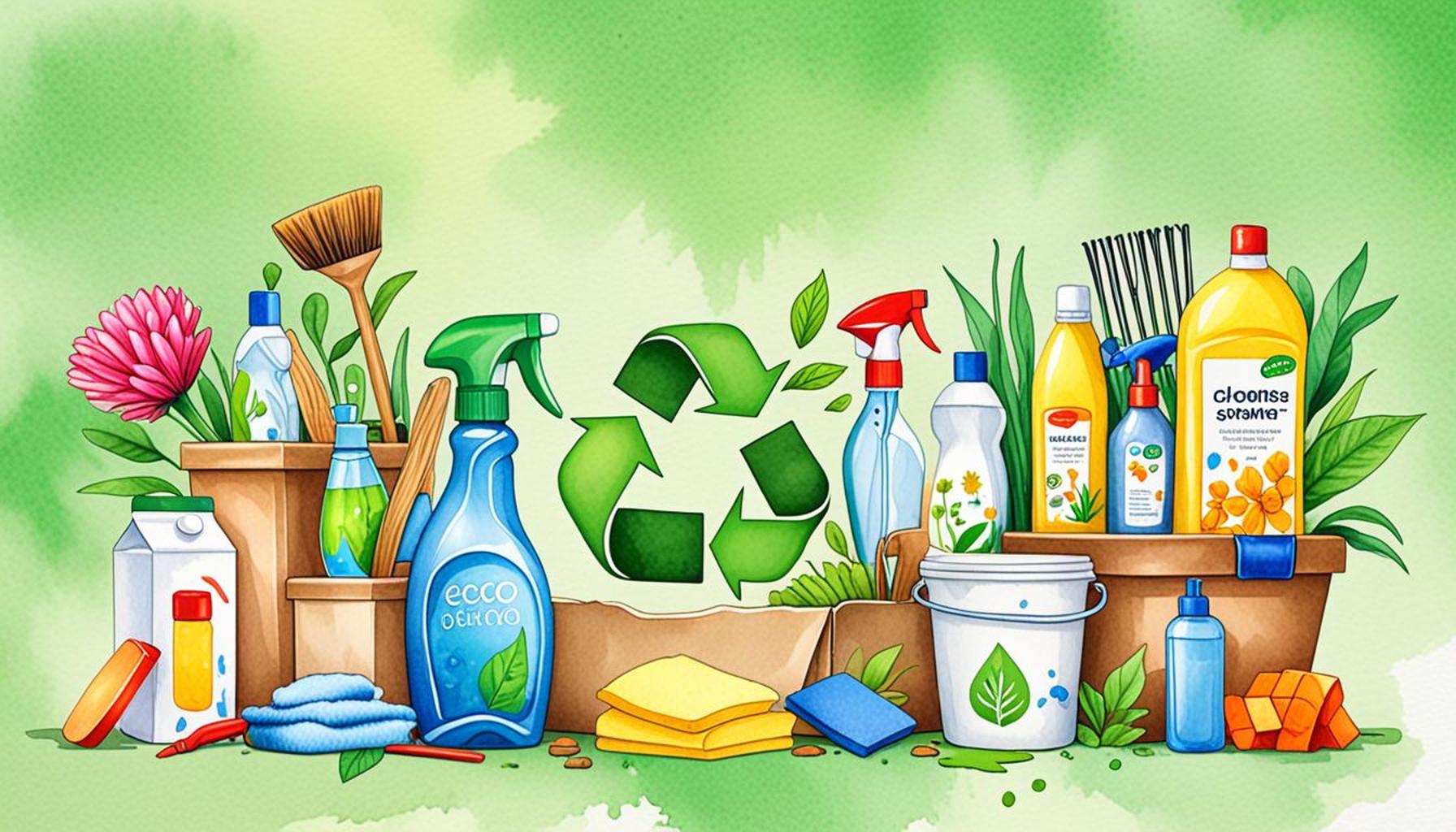
In today’s society, where climate change and pollution are pressing concerns, making eco-conscious choices in our everyday lives has become imperative. One area where these choices are particularly impactful is in the realm of cleaning supplies. Conventional cleaning products often contain a cocktail of harmful chemicals that can endanger not only your health but also that of the planet. For instance, substances like phthalates, formaldehyde, and chlorine bleach can contribute to indoor air pollution and may lead to respiratory issues.
Transitioning to greener options may seem daunting given the myriad of products available on the market, but it is an attainable goal. Understanding the key elements that make a cleaning product eco-friendly can guide you in making informed choices. Here are three crucial considerations:
- Ingredients: When scanning product labels, prioritize items with natural, biodegradable components. Ingredients such as vinegar, baking soda, and essential oils are often not only effective but also safe alternatives to traditional chemicals. For example, vinegar can be an excellent disinfectant, while baking soda can help with scrubbing tough stains.
- Packaging: The environmental impact of cleaning supplies extends beyond their contents. Opt for brands that prioritize recyclable materials or minimal packaging. For instance, companies like Seventh Generation and Method use recycled materials in their packaging and promote refillable containers to reduce waste.
- Certifications: Look for trusted certifications such as EPA Safer Choice or Green Seal, which indicate that a product meets stringent safety and environmental standards. Certified products undergo rigorous evaluation to ensure that they are effective while minimizing potential hazards.
By consciously evaluating your cleaning product choices, you not only reduce your personal ecological footprint but also contribute to a larger movement towards sustainability. Simple swaps can lead to significant changes—choose a plant-based cleaner instead of one loaded with synthetic fragrances and dyes, for instance. The challenge is not just a personal responsibility; it’s a collective endeavor that can lead to a healthier Earth.
As you embark on this journey, explore various effective alternatives that protect both your health and the environment. From DIY cleaning solutions using pantry staples to discovering eco-friendly brands at your local store, there are countless ways to align your cleaning practices with an eco-conscious lifestyle. Making informed choices in your cleaning routine can set a positive example and inspire those around you to consider their environmental impact as well.
DISCOVER MORE: Click here to learn how to keep your space clean
Identifying Eco-Friendly Ingredients
When it comes to making eco-conscious choices for cleaning supplies, one of the most critical steps is to examine the ingredients of the products you are considering. Many conventional cleaning products contain a range of synthetic chemicals that can be harmful to both the environment and your health. These chemicals can not only contribute to air and water pollution, but they can also pose risks such as skin irritation, respiratory problems, and long-term health complications.
In contrast, eco-friendly cleaners prioritize the use of natural ingredients that are biodegradable and non-toxic. Here’s a closer look at some common natural ingredients you should look for:
- Vinegar: An excellent all-purpose cleaner, vinegar can effectively cut through grime and eliminate odors. It is known for its antibacterial properties, making it a great choice for disinfecting surfaces in your home.
- Baking Soda: Renowned for its incredible scrubbing power, baking soda can tackle tough stains and keep your surface sparkling clean without the use of harsh chemicals.
- Castile Soap: This vegetable-based soap is versatile and can be used for everything from cleaning counters to washing dishes. It is biodegradable and gentle on the skin, making it ideal for those who are sensitive to conventional soaps.
- Essential Oils: Not only do these natural oils provide a pleasant fragrance, but they also offer various antibacterial and antifungal properties. Oils such as tea tree, lavender, and lemon can enhance the cleaning power of your eco-friendly products.
Understanding these components can help you make better decisions when purchasing cleaning supplies. When browsing through product labels, avoid those which contain surfactants, phosphates, or volatile organic compounds (VOCs). These ingredients can have detrimental effects on indoor air quality and are not typically biodegradable, leading to increased environmental impact.
The shift to eco-friendly ingredients not only benefits the planet but can also create a healthier living environment for you and your family. Additionally, opting for products with plant-based formulations means you are supporting sustainable agriculture and reducing the demand for petrochemical-based products.
As you cultivate an eco-conscious approach to cleaning, consider exploring DIY cleaning solutions. Many household items combined in simple formulations can serve as effective cleaners. For example, mixing baking soda with vinegar creates a powerful fizzing reaction that can help unclog drains, while a combination of water and essential oils in a spray bottle can refresh your home with delightful scents.
By focusing on eco-friendly ingredients, you are taking significant steps toward a more sustainable lifestyle. This proactive approach not only addresses immediate cleaning needs but fosters a broader commitment to reducing harmful chemicals from our homes and our world.
| Category | Key Features |
|---|---|
| Biodegradable Ingredients | Products that break down naturally and reduce landfill waste. |
| Non-Toxic Formulations | Safe for both your family and the environment, lowering health risks. |
When considering how to make eco-conscious choices while purchasing cleaning supplies, understanding the impact of your choices is crucial. Many conventional cleaning products contain harmful chemicals that not only pose health risks but also endanger the environment. Hence, opting for products with biodegradable ingredients helps lessen the ecological footprint. These products disintegrate naturally over time, sparing our environment from harmful residues.Moreover, the choice of non-toxic formulations ensures a safe living space, free from household toxins. This not only protects your health but also contributes to cleaner air and waterways. By making informed purchases, you support brands that prioritize sustainability and commit to eco-friendly practices, nudging the industry toward a more responsible direction. Each purchase becomes a statement of your values, promoting a healthier planet for future generations. Discover more about these vital changes and how they can fit into your home’s cleaning routine.
DISCOVER MORE: Click here for eco-friendly cleaning ideas
Understanding Certifications and Labels
As you navigate the world of cleaning supplies, familiarizing yourself with certifications and labels can be a game-changer in making eco-conscious choices. Many products carry various eco-certifications that indicate an adherence to specific environmental and health standards. These labels serve as a guide to help consumers identify which products meet sustainability criteria and are safer for both indoor and outdoor environments.
One emblem to look for is the Green Seal certification. This nonprofit organization evaluates products based on their environmental impact and sustainability practices, ensuring that items bearing the seal meet stringent performance requirements without posing a threat to health or the environment. Another important certification is EPA Safer Choice, which identifies cleaning products that are made with safer chemical ingredients while still delivering effective cleaning results.
Cradle to Cradle Certified is another notable label that assesses the sustainability and safety of products throughout their lifecycle. Products that achieve this certification are evaluated based on various criteria including material health, material reuse, renewable energy use, and social fairness. As a consumer, supporting brands that meet these rigorous standards not only enhances your eco-friendly cleaning routine but also drives market demand for sustainable practices.
Considering Packaging and Waste Reduction
In addition to ingredients and certifications, the packaging of cleaning supplies plays a significant role in their environmental impact. Many brands are now embracing eco-friendly packaging solutions that minimize waste and utilize recyclable materials. When shopping for cleaning products, look for those that offer refill options or are packaged in containers made from recycled plastic or eco-friendly materials.
Another innovative approach to consider is concentrated cleaning products. These products are designed to be mixed with water, drastically reducing the overall volume of packaging waste. Companies that supply refill stations, where consumers can bring their own containers to refill cleaning supplies, are also becoming more available in many communities. Such practices not only lessen the environmental footprint but also promote sustainable consumption.
Staying Informed and Engaged
Having knowledge about eco-conscious choices is essential, but actively engaging with brands can amplify your impact. Many eco-conscious companies share their sustainability efforts online, from sourcing materials to ensuring fair labor practices. By following these companies on social media or subscribing to their newsletters, you can stay informed about their latest eco-initiatives, discover new products, and be part of a community advocating for sustainable choices.
Additionally, consider leaving feedback or asking questions about a product’s environmental impact or sourcing practices directly to companies. Transparency should be a priority for brands committed to sustainability, and your inquiries can encourage them to uphold and improve their practices.
Lastly, keeping up with research and trends in the eco-friendly cleaning sector can inspire you and those around you to adopt and advocate for greener habits. Engaging with blogs, podcasts, and webinars focused on sustainability not only expands your knowledge but also keeps you connected to a growing movement toward preserving our planet.
By integrating these considerations, such as understanding certifications, prioritizing sustainable packaging, and engaging with responsible brands, you can make informed decisions that contribute to a healthier home and a healthier planet. Remember, every eco-conscious choice counts on the path to sustainability.
DISCOVER MORE: Click here to find out how eco-friendly cleaning products benefit your family and the planet
Conclusion
In conclusion, the journey towards making eco-conscious choices when purchasing cleaning supplies is both impactful and essential for fostering a sustainable future. As consumers, we hold the power to influence the market by prioritizing products with certifications and labels that guarantee environmental safety and responsible manufacturing practices. Recognizing labels like Green Seal and EPA Safer Choice can simplify your selection process while ensuring you support brands committed to eco-friendly practices.
Moreover, considering packaging is equally vital. Opting for products that utilize recyclable materials, provide refill options, or feature concentrated formulas contributes to reduced waste and a lower carbon footprint. These small adjustments in purchasing habits can collectively lead to significant changes in waste reduction and environmental health.
Finally, engaging with sustainable brands and staying informed about the latest trends in eco-friendly cleaning practices can empower you and your community. By voicing your concerns and questions to these companies, you contribute to a transparency that will challenge them to uphold their commitment to sustainability.
As you embark on your eco-conscious cleaning journey, remember that each choice, no matter how small, shapes a healthier home and a healthier planet. Together, we can redefine consumer behavior and pave the way for a cleaner, greener future.

Linda Carter
Linda Carter is a home organization writer and cleaning efficiency specialist who helps households maintain spotless spaces with minimal effort. With extensive experience developing smart cleaning systems and preventive maintenance routines, she shares practical strategies on our platform for streamlining chores and preserving home value. Her goal is to empower homeowners with time-saving techniques and proactive care strategies to create cleaner, healthier, and more manageable living environments.
Este site oferece conteúdo gratuito e informativo sobre cartões, bancos digitais, empréstimos, benefícios e serviços financeiros de terceiros. Não somos instituição financeira, não concedemos crédito e não cobramos pelo acesso. As informações não constituem aconselhamento financeiro, jurídico ou profissional. Aprovações, taxas, prazos e condições dependem exclusivamente das empresas responsáveis. Podemos receber comissões por links de afiliados, anúncios ou parcerias. Tratamos dados pessoais conforme leis aplicáveis, como LGPD, GDPR e CCPA. Para mais detalhes, consulte nossa Política de Privacidade.
PixelPort Marketing LTDA
59.644.075/0001-58