
The Cost-Benefit Analysis of Switching to Eco-Friendly Cleaning Products
Understanding the Shift Towards Eco-Friendly Cleaning Products
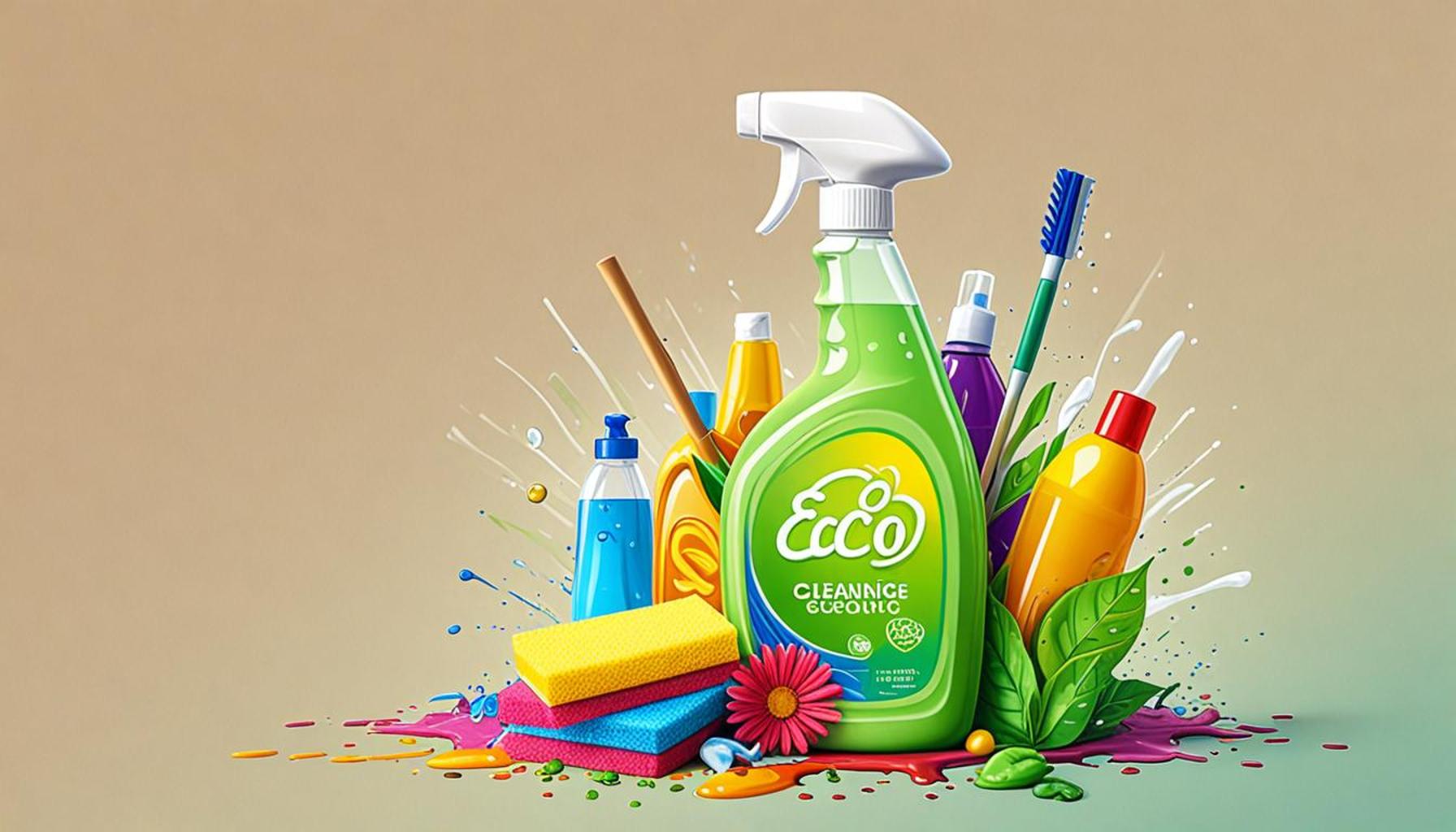
As we navigate through a fast-changing world, an increasing number of households in the United States are opting for eco-friendly cleaning products. This movement is not driven solely by the desire for a clean home; it stems from a growing consciousness about environmental sustainability and personal health. With rising awareness around the ingredients present in conventional cleaning products, many consumers are asking themselves: is the switch to eco-friendly alternatives truly worthwhile?
Health and Safety
One of the most compelling reasons to consider eco-friendly cleaning products is their impact on health and safety. Traditional cleaners often contain harsh chemicals such as ammonia, bleach, and phthalates, which can lead to health issues. For instance, exposure to these substances has been linked to respiratory problems, skin irritations, and increased allergy symptoms, especially in young children and pets. In striking contrast, eco-friendly cleaners utilize natural, non-toxic ingredients such as vinegar, baking soda, and essential oils. These components not only offer effective cleaning solutions but also contribute to a safer home environment.
Environmental Impact
The environmental advantages of using eco-friendly cleaners cannot be overstated. Unlike their conventional counterparts, these products are typically biodegradable and free from harmful pollutants that can leach into water systems and soil. For example, some studies have shown that household cleaning products can contribute significantly to indoor air pollution. In the U.S., eco-friendly cleaning brands often leverage plant-based formulas that minimize environmental harm while still delivering effective cleaning power. By choosing these products, consumers can take a proactive stance in reducing their ecological footprint.
Cost Considerations
One of the common misconceptions surrounding eco-friendly products is their cost. While they may often come with a higher price tag initially, a closer examination reveals potential long-term savings. For example, investing in a reusable cleaning system can reduce the need for constantly purchasing new products. Moreover, the health benefits associated with these cleaners can lead to decreased healthcare expenses over time. Preventing illness tied to chemical exposure can save households both money and distress, underscoring the financial viability of eco-friendly choices.
While the initial cost might raise eyebrows, examining both the short-term costs and the long-term gains proves essential for informed decision-making. Understanding the broader implications of your cleaning choices can transform everyday tasks into significant contributions toward a healthier society and environment. As we explore the financial implications, health benefits, and environmental advantages of adopting eco-friendly cleaning products, it’s important to remember that your choices matter. The impact extends well beyond the confines of your home, influencing community health and ecological preservation.
In conclusion, embracing eco-friendly cleaning products is more than a personal choice; it is an investment in the future. As consumers become increasingly aware of the effects of their purchases, the shift towards sustainable alternatives is poised to reshape the cleaning industry. Armed with this knowledge, readers are encouraged to delve deeper into their options and consider how the act of cleaning can be transformed into a conscientious practice.
LEARN MORE: Click here to dive deeper
Evaluating the Financial Implications of Eco-Friendly Products
As more consumers are prompted to consider the overall impact of their choices, the cost-benefit analysis of switching to eco-friendly cleaning products becomes a focal point in the conversation about sustainability. While some may regard the apparent higher prices of these products as a barrier, understanding the complete financial picture can reveal surprising insights. The costs associated with traditional cleaning products and the corresponding savings of eco-friendly alternatives can significantly shift perceptions.
Initial vs. Long-term Costs
When evaluating cleaning products, it’s essential to differentiate between initial expenditures and long-term savings. Eco-friendly cleaning products often come with a premium at the checkout counter due to their sustainable sourcing and ingredient quality. However, here are several factors to consider in this financial calculus:
- Concentration and Versatility: Many eco-friendly cleaners are highly concentrated, meaning a smaller amount is needed to achieve effective results. This contrasts with standard cleaners, where larger quantities may be required.
- Multi-use Capability: Several eco-friendly products can be utilized for various cleaning tasks, such as all-purpose cleaners that can handle everything from countertops to floors, reducing the need for multiple specialized products.
- Longevity: Eco-friendly products often come in durable, sustainable packaging that can be reused or refilled, meaning fewer products purchased over time.
- Health-related Savings: As mentioned earlier, the health implications of using harsh chemicals can lead to increased medical bills due to illnesses attributed to chemical exposure. Avoiding these products may result in lower healthcare costs down the line.
In a direct comparison, while a bottle of conventional cleaner may cost $3, an eco-friendly option might be priced at $5. However, as households will likely use less product in the long run, the total amount spent can even out over time, or potentially lead to a net savings. It becomes evident that careful consideration of how these products are utilized can maximize their cost-effectiveness.
Market Trends and Consumer Demand
The rise in demand for eco-friendly cleaning products has also influenced market dynamics. Consumers are increasingly recognizing the value of investing in products aligned with their health and environmental values. This trend has prompted many manufacturers to enhance their offerings, resulting in competitive pricing and improved accessibility. Stores across the U.S. are now featuring dedicated aisles for green cleaning solutions, reflecting a shift in consumer preferences toward more responsible purchasing choices.
Moreover, brands committed to sustainability may also deliver better customer loyalty, subsequently affecting overall costs through positive brand associations. By understanding these market trends, consumers can make more informed choices that benefit not just their wallets but also the broader community.
Ultimately, the financial implications of switching to eco-friendly cleaning products are nuanced. While the upfront costs may appear higher, the long-term savings, health benefits, and environmental advantages paint a much richer picture for those reconsidering their cleaning regimen. To make the most informed decisions, consumers are encouraged to delve deeper into product comparisons, scrutinize ingredient lists, and think critically about what they value most in their cleaning products.
| Advantages | Description |
|---|---|
| Environmental Impact | Eco-friendly products significantly reduce household pollution and carbon footprint, contributing to a sustainable future. |
| Health Benefits | These products often contain non-toxic ingredients, leading to fewer allergies and respiratory issues for family members. |
| Cost Savings | Switching can lead to long-term savings as you reduce waste and avoid frequent repurchases of harsh chemicals. |
| Product Versatility | Many eco-friendly cleaners serve multiple purposes, making them a practical choice for efficient home cleaning. |
As we explore the cost-benefit analysis of switching to eco-friendly cleaning products, the diverse advantages become compelling reasons to consider a transition. Starting with environmental impacts, consumers contribute positively to the planet, aligning cleaning practices with eco-conscious ideals. Furthermore, the health benefits connected to these products signify a dual impact: promoting cleaner air indoors while protecting family health. In addition, the potential for cost savings over time cannot be overlooked, as opting for sustainable options often involves fewer purchases due to their concentrated effectiveness. With product versatility, eco-friendly solutions tackle multiple cleaning tasks without the need for a plethora of specialized items. Together, these factors paint a rich picture for readers curious about making the switch to eco-friendly alternatives. Embracing these products not only enhances personal living spaces but also echoes a commitment to a sustainable environment.
DISCOVER MORE: Click here for effective time management techniques
Assessing the Environmental Impacts and Social Benefits
While the financial implications are certainly important, the cost-benefit analysis of eco-friendly cleaning products extends beyond mere dollars and cents. The environmental impacts and social benefits associated with the switch are critical factors that deserve attention. Understanding how these products contribute positively to our ecosystems and communities can influence consumer habits and decision-making.
Environmental Savings
One of the most compelling arguments for transitioning to eco-friendly cleaning products lies in their reduced impact on the environment. Traditional cleaning products often contain harmful chemicals that contribute to water pollution and air quality degradation. These substances can persist in natural environments, damaging aquatic life and polluting drinking water sources. In comparison, green cleaning products are typically biodegradable, meaning they break down more easily and lessen their long-term environmental footprint.
The use of eco-friendly products also reduces carbon emissions associated with their production and transportation. For instance, many companies are now adopting sustainable sourcing practices and local production methods, which further diminish greenhouse gas emissions. A recent study found that products made with renewable ingredients can reduce carbon footprints by up to 30%, making a significant difference in the fight against climate change.
Health and Well-Being: A Community Perspective
The health implications of traditional cleaning products are increasingly linked to various illnesses, particularly respiratory issues and allergies. In households, especially those with children or elderly individuals, the exposure to volatile organic compounds (VOCs) and other hazardous chemicals can exacerbate health conditions. Eco-friendly cleaning options often prioritize non-toxic ingredients, which not only minimizes health risks but also fosters a safer environment for families and vulnerable populations.
Communities that adopt eco-friendly practices can benefit from enhanced public health outcomes. A study published in the American Journal of Public Health highlighted that areas where residents use less harmful cleaning products experienced significant declines in hospital visits for respiratory ailments. This ripple effect translates into lower healthcare costs for families and government entities, promoting a healthier overall population.
The Social Responsibility Factor
Switching to eco-friendly cleaning products is increasingly seen as an ethical choice. Consumers are becoming more aware of their purchasing power and the social responsibility that comes with it. Many eco-friendly brands prioritize ethical labor practices, ensuring that workers in their supply chains are treated fairly and paid justly. By supporting these companies, consumers contribute to a more equitable economy.
Furthermore, aligning purchasing decisions with personal values fosters community engagement. Eco-conscious consumers often share tips and experiences, creating a culture of sustainability that can influence others. Social media platforms have amplified this movement, with use cases of green cleaning practices spreading rapidly, encouraging others to consider the benefits of such choices.
In essence, while evaluating the cost-benefit analysis of switching to eco-friendly cleaning products, it is imperative to consider not only the financial aspects but also the environmental and social implications. The decision to switch is not merely about immediate cost but entails a broader vision of well-being for individuals and the planet alike. This multifaceted approach can guide consumers in making informed choices that resonate with their values and promote sustainability in their daily lives.
DIVE DEEPER: Click here to discover effective organization methods
Conclusion: Embracing a Sustainable Future
In concluding the cost-benefit analysis of switching to eco-friendly cleaning products, it becomes evident that this transition extends far beyond simple financial considerations. While cost-effectiveness is undeniably a factor, the broader implications of adopting eco-friendly products illuminate a path towards enhancing environmental health, personal well-being, and social responsibility.
The environmental benefits are profound; reducing the reliance on toxic chemicals not only minimizes ecological harm— such as water pollution and adverse effects on wildlife—but also contributes to a decrease in carbon emissions, which is pivotal in combating climate change. Reports indicate that eco-friendly products can cut carbon footprints by significant margins, emphasizing their role in fostering a sustainable planet.
From a health standpoint, the switch to non-toxic cleaning agents ensures safer living environments, particularly for vulnerable populations such as children and the elderly. The reduction in hospital visits due to respiratory issues highlights the substantial public health benefits associated with these products. Choosing eco-friendly cleaning options can lead to healthier communities, creating a ripple effect that can benefit public health systems and reduce healthcare expenditures.
Moreover, the move towards sustainability signals a growing consumer consciousness regarding ethical practices and social equity, demonstrating the power of purchasing choices. As awareness spreads, consumers can influence market trends, encouraging companies to adopt more responsible practices and further drive the shift towards a more sustainable economy.
As you contemplate your next cleaning product purchase, consider the extensive implications of your choices. Embracing eco-friendly cleaning products is not just a smart decision for your household; it is a commitment to a healthier planet and a more equitable world. The transition may require an open mind and a willingness to adapt, but the long-term benefits make it a compelling prospect worth exploring.

Linda Carter
Linda Carter is a home organization writer and cleaning efficiency specialist who helps households maintain spotless spaces with minimal effort. With extensive experience developing smart cleaning systems and preventive maintenance routines, she shares practical strategies on our platform for streamlining chores and preserving home value. Her goal is to empower homeowners with time-saving techniques and proactive care strategies to create cleaner, healthier, and more manageable living environments.
Este site oferece conteúdo gratuito e informativo sobre cartões, bancos digitais, empréstimos, benefícios e serviços financeiros de terceiros. Não somos instituição financeira, não concedemos crédito e não cobramos pelo acesso. As informações não constituem aconselhamento financeiro, jurídico ou profissional. Aprovações, taxas, prazos e condições dependem exclusivamente das empresas responsáveis. Podemos receber comissões por links de afiliados, anúncios ou parcerias. Tratamos dados pessoais conforme leis aplicáveis, como LGPD, GDPR e CCPA. Para mais detalhes, consulte nossa Política de Privacidade.
PixelPort Marketing LTDA
59.644.075/0001-58